
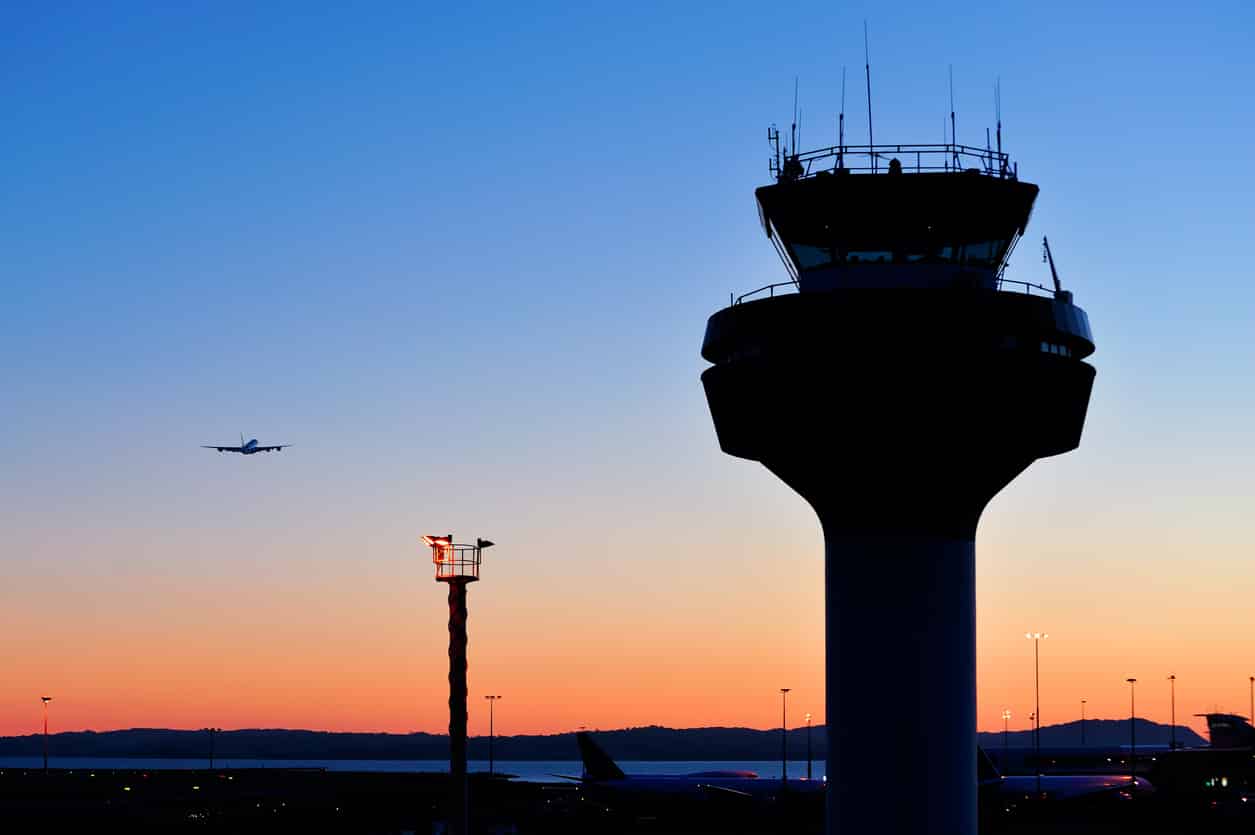
U.S. Transportation Secretary Sean P. Duffy and FAA Administrator Bryan Bedford made a major announcement today. They confirmed the FAA will replace the nation’s aging radar system. This move is part of the new air traffic control system. Consequently, this initiative will enhance safety and reduce delays. Furthermore, it brings American airspace technology into the modern era.
Investing in a New Air Traffic Control System
Currently, the United States’ radar infrastructure relies on technology from the 1980s. The U.S. airspace remains the safest in the world. However, this outdated equipment is now difficult to maintain. As a result, it causes frequent flight delays. In fact, delay minutes caused by equipment issues in 2025 were much higher than previous averages. Specifically, they were 300% higher than the average for 2010-2024.
To address these challenges, the FAA awarded contracts to RTX and Indra. These companies will provide modern surveillance radars. They plan to replace up to 612 existing units by June 2028. This effort is a central pillar of the Brand New Air Traffic Control System (BNATCS). Additionally, the project is fully funded by the One Big Beautiful Bill.
Secretary Duffy emphasized the urgency of this update. He noted that reliance on 1980s technology is unacceptable. Therefore, he credited President Trump and the One Big Beautiful Bill for this success. The bill provides the resources to boost safety. Moreover, it enables future innovation in the skies.
Streamlining Surveillance and Integration
The transition to this new air traffic control system involves more than just swapping out old hardware. For instance, the FAA will consolidate 14 different radar configurations. These are currently used in the National Airspace System. This consolidation will simplify logistics and maintenance. Thus, the network will become more efficient and cost effective.
Peraton is overseeing the project. The company was named the Prime Integrator in December 2025. Peraton is responsible for managing the workflow. They must also acquire capabilities and deploy technologies. Importantly, they must do this without disrupting current air travel. Their initial priorities include transitioning copper infrastructure to modern fiber. Next, they will install digital voice switches. Finally, they will deploy surface awareness systems at airports nationwide.
The Scope of the Modernization
The BNATCS initiative is a massive undertaking. It is designed to unlock the future of air travel. The project spans five main categories. These are communications, surveillance, automation, facilities, and specific upgrades for Alaska.
Key metrics for the new air traffic control system include:
- 5,170 new high speed network connections via fiber and satellite.
- 612 state of the art radars replacing legacy units.
- 462 new digital voice switches and 27,625 new radios.
- Surface Awareness Initiative surveillance technology at 200 airports.
- New Terminal Flight Data Manager tools at 89 airports.
- Construction of the first new consolidated Air Route Traffic Control Center since the 1960s.
The goal is to complete this brand new system by the end of 2028. To ensure accountability, the FAA structured the contract carefully. It rewards good performance and penalizes missed deadlines. Furthermore, an Executive Steering Committee will provide oversight.
The industry is preparing for these significant improvements in airspace management. Meanwhile, private aviation remains a vital sector for business travel. You may need reliable private travel solutions during this transition period. Therefore, consider PlanePost brokering and chartering services. They offer premium options to navigate the skies efficiently.