
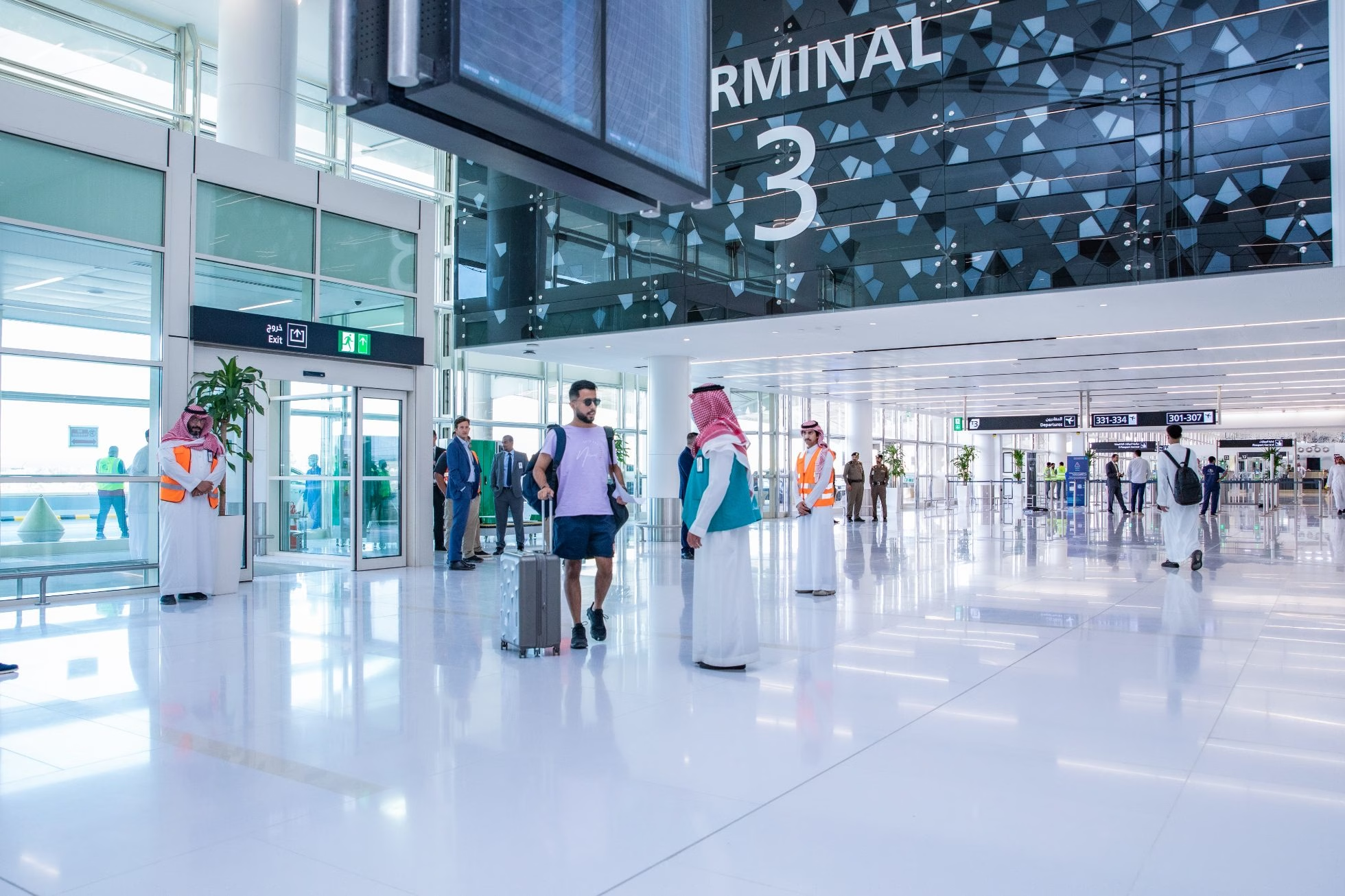
A deadly missile strike on King Khalid International Airport in Riyadh has triggered widespread concern regarding regional aviation safety. The attack, which resulted in 12 fatalities and over 300 injuries, has prompted international condemnation and led to an immediate tightening of security measures for operators within the region.
Reports indicate that Saudi Arabia is facing a critical shortage of missile interceptors, prompting requests for air defense assistance from several global partners. This hardware deficit has exacerbated security risks for civilian aircraft using Saudi airports, leading to significant flight suspensions and heightened caution from international carriers.
The U.S. government has issued clear guidance for its citizens and personnel to avoid Riyadh airport, with federal employees now requiring specific authorization to utilize major hubs in Saudi Arabia. These operational hurdles are compounding the existing challenges in Middle East airspace, where regional hostilities have already disrupted commercial routes and maritime traffic.
Industry experts and regulators are closely monitoring the situation as the conflict threatens to impact broader transit corridors. Operators are advised to stay updated on emerging notices as the security environment remains fluid.