
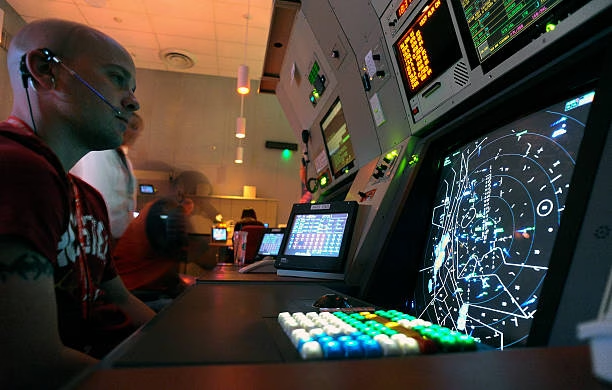
The Federal Aviation Administration is initiating a significant update to the national airspace system by partnering with startup Air Space Intelligence. This collaboration aims to modernize how air traffic is managed across the United States, building upon technology previously refined in the private sector.
Alaska Airlines, which began utilizing the firm’s Flyways AI platform in 2021, served as a primary proving ground for the software. Dispatchers at the airline’s network operations center have used the system to synthesize complex data including weather patterns, upper-level winds, and current traffic flows. This integration allows dispatchers to evaluate route adjustments more effectively, focusing on both safety and fuel efficiency.
Operational results from the airline trial suggest tangible benefits, with reports of thousands of flight hours saved and approximately one million gallons of fuel conserved annually. The FAA now intends to leverage this approach on a national scale. By adopting these analytical tools, the agency aims to build a more responsive air traffic control environment capable of mitigating potential conflicts and reducing systemic delays. This shift represents a broader effort to move away from traditional manual processing toward a more automated, data-driven framework for managing domestic flight paths.