
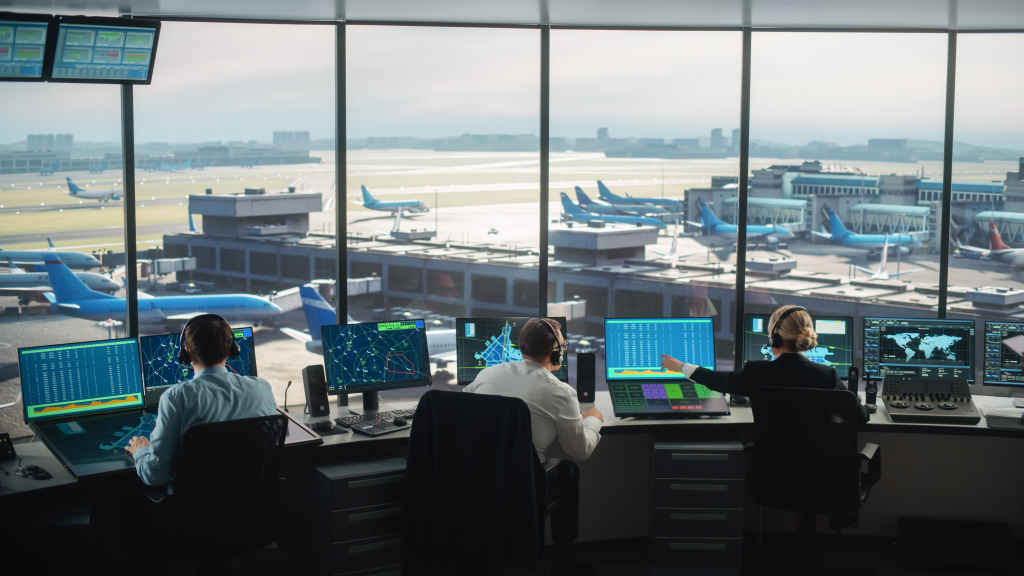
Aviation cybersecurity is no longer a back-office IT issue. Modern flight operations depend on connected systems for bookings, flight planning, crew communications, maintenance, airport check-in, baggage handling, aircraft connectivity, and passenger services. That digital ecosystem improves speed and efficiency, but it also gives attackers more places to look for weak access controls, old systems, unpatched software, and exposed data.
For airlines, charter operators, airports, manufacturers, and business aviation flight departments, the risk is not limited to someone “hacking an aircraft.” In most cases, the more immediate threat is disruption. A cyberattack can delay departures, ground aircraft, expose passenger data, interrupt maintenance workflows, or force teams back to manual processes at exactly the moment when speed matters most.
Why aviation is a cyber target
Aviation carries valuable data and supports high-profile movement. Passenger records, payment information, passport details, crew schedules, aircraft location data, maintenance records, and executive travel plans can all hold value for criminals or state-linked groups.
IATA describes aviation cybersecurity as a top priority because digitization creates both operational benefits and cyber vulnerabilities across a complex industry. It also notes that attackers may target aviation for data, money, disruption, or harm.
For business aviation, the concern is even more focused. An executive flight department may carry fewer passengers than an airline, but its passenger data can be more sensitive. A leaked itinerary can reveal corporate activity, personal travel patterns, acquisition talks, board movements, or security details around senior leaders.
Ground systems are often the easiest way in
The most realistic aviation cyber risk often starts on the ground. Attackers usually do not need to reach flight controls to create operational damage. They can target reservation systems, check-in platforms, baggage systems, flight planning systems, maintenance portals, vendor networks, email accounts, and shared files.
LOT Polish Airlines showed this clearly in 2015 when a denial-of-service attack against flight-plan systems at Warsaw Chopin Airport grounded 10 flights, delayed 12 others, and affected about 1,400 passengers. The airline said passengers and aircraft in flight were not in danger, but the incident still stopped normal operations because crews could not receive required flight-plan documents.
In 2025, a cyber-related disruption affecting Collins Aerospace check-in and boarding technology caused delays and cancellations at major European airports including Heathrow, Brussels, and Berlin. Reuters reported that the impact was limited to electronic check-in and baggage drop, and airports had to rely on manual check-in processes.
These examples show the core issue: aviation is highly connected. A breach in one system, supplier, or process can quickly become an airport or airline operations problem.
Passenger data is a major exposure point
Aviation companies also hold large volumes of personal and financial data. In 2018, British Airways suffered a cyberattack that affected more than 400,000 customers. The UK Information Commissioner’s Office later fined the airline £20 million after finding that BA failed to protect customer data with adequate security measures.
The lesson is simple. Cybersecurity is not only about keeping flights moving. It is also about protecting the trust passengers place in aviation companies. Names, emails, payment details, loyalty accounts, passport data, and travel history can all be used for fraud, phishing, extortion, or targeted surveillance.
For private aviation, this matters even more. A smaller passenger list does not mean lower risk. It can mean higher sensitivity per record.
Aircraft cybersecurity is now part of safety thinking
Aircraft are also becoming more connected. Modern aircraft may use networked systems, electronic flight bags, onboard connectivity, maintenance data links, and software-driven avionics. Regulators have responded by treating cyber risk as part of aviation safety, not only IT security.
EASA says civil aviation is an attractive target and that cyber risks must be considered during aircraft design, development, and operation to avoid adverse safety effects. The FAA has also proposed new design standards for transport category airplanes, engines, and propellers to address cybersecurity threats and reduce certification complexity.
This does not mean airliners are easy targets for remote takeover. That claim is often exaggerated. However, it does mean aircraft systems, ground interfaces, supplier tools, and maintenance environments need disciplined security controls throughout the aircraft life cycle.
The main weaknesses are usually basic
Many aviation cyber risks come from ordinary gaps rather than dramatic attacks. Weak passwords, shared accounts, missing multi-factor authentication, old operating systems, exposed remote access tools, poor network segmentation, outdated firewalls, and untrained users remain common entry points.
Email is another major risk. A single phishing message can lead to stolen credentials, invoice fraud, data theft, or unauthorized access to internal systems. For charter operators, brokers, airports, and maintenance providers, one compromised inbox can expose passenger requests, payment records, aircraft documents, or owner communications.
Ransomware remains one of the most serious threats because it can stop an organization from using its own systems. Airlines and airports depend on speed, scheduling, and coordination. If ransomware locks booking platforms, dispatch tools, maintenance records, or crew systems, the business may face a choice between slow recovery, costly downtime, and pressure to negotiate with criminals.
What aviation operators should do
Strong aviation cybersecurity starts with discipline. Operators should require multi-factor authentication for email, remote access, and administrative systems. They should patch systems quickly, remove unsupported software, segment critical networks, limit user privileges, and maintain tested offline backups.
They should also map their third-party risk. Airlines, airports, FBOs, MROs, brokers, charter operators, and flight departments often depend on outside software and vendors. A supplier incident can create operational consequences even when the operator’s own systems were not directly breached.
Incident response planning is just as important. Teams should know who makes decisions, who contacts vendors, who informs passengers, who handles regulators, and how operations continue if digital systems fail. Manual fallbacks matter because aviation cannot wait for perfect conditions.
Finally, cyber training should fit the real aviation environment. Pilots, dispatchers, mechanics, schedulers, brokers, and customer service teams do not need generic security lectures. They need practical guidance on phishing, secure document handling, passenger data, wire fraud, aircraft records, and travel-sensitive information.
AI is not a shortcut
AI may help aviation companies detect suspicious activity, summarize security alerts, identify anomalies, and improve response speed. But AI does not replace strong cybersecurity fundamentals. It cannot fix weak identity controls, unpatched systems, poor vendor oversight, or missing backups.
The future of aviation will include more automation, smarter software, and more connected aircraft. That makes cybersecurity more important, not less. Before aviation can trust advanced automation in critical roles, the industry must first prove that the systems around it are resilient, protected, and well governed.
Bottom line
Aviation cybersecurity is now a core operational risk. The biggest threat is not always a hacker reaching the cockpit. More often, it is a compromised vendor, a stolen password, a ransomware incident, or a ground system failure that disrupts flight operations and exposes sensitive data.
For airlines, airports, charter operators, MROs, brokers, and business aviation flight departments, cybersecurity now belongs in the same conversation as safety, reliability, and operational continuity. The industry runs on trust. Protecting that trust means protecting the digital systems behind every flight.