
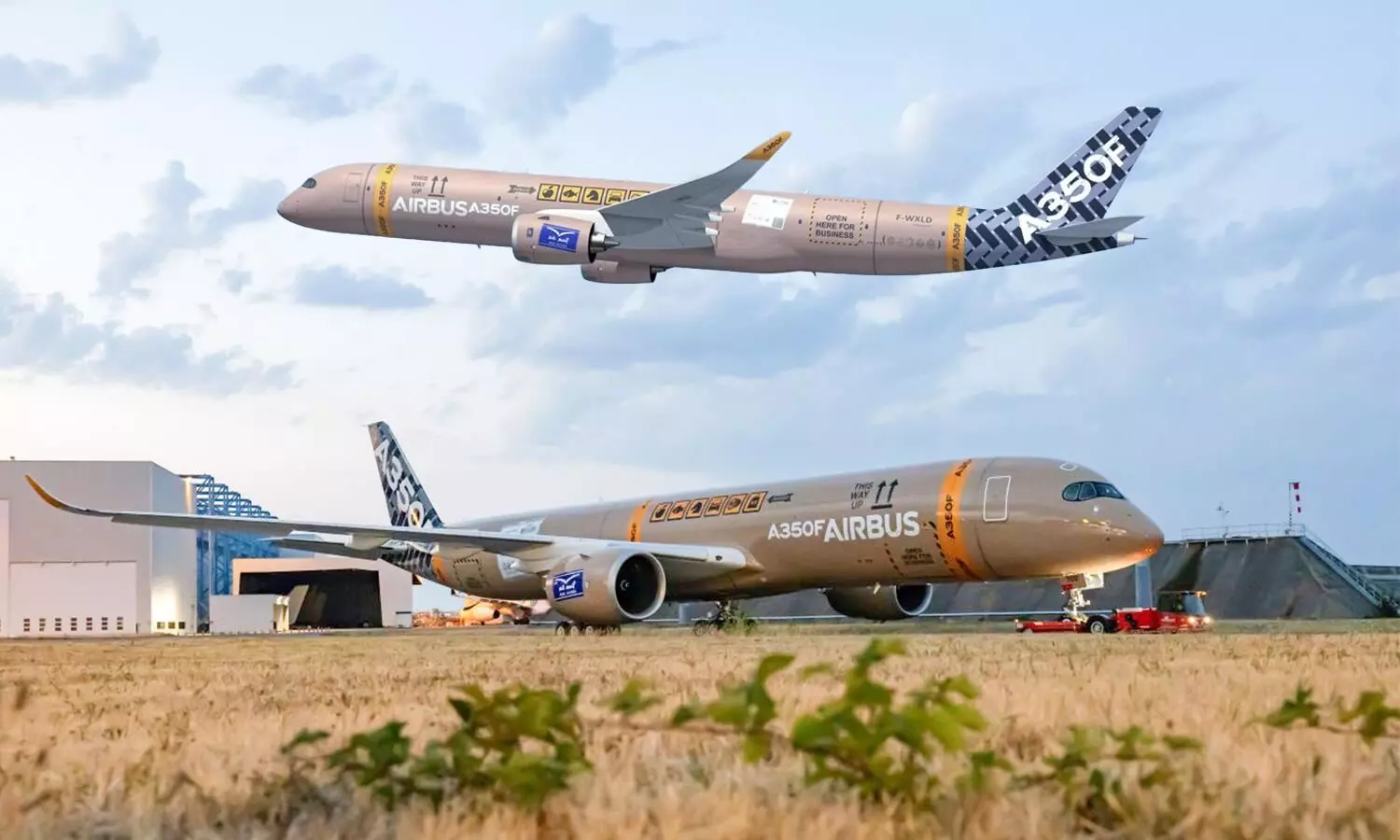
The Airbus A350F development program is reaching a critical inflection point as engineering teams finalize pre-flight preparations. Following the completion of extensive ground testing, including cargo loading trials and structural vibration analysis, the manufacturer has transitioned to the final stages of its test campaign.
A core component of this progress is the Virtual First Flight initiative, which utilizes a development simulator linked to real avionics benches to replicate the flight environment. According to lead engineers, this setup is roughly 90 percent representative of the physical aircraft. The data gathered here is vital, as the freighter utilizes a unique configuration that blends the A350-900 forward fuselage with an A350-1000 rear section and wings, necessitating a custom aerodynamic model.
The European Union Aviation Safety Agency is currently involved in reviewing the flight test roadmap. EASA personnel are slated to act as onboard observers during upcoming performance evaluations. The initial flight campaign will span nine months across two test aircraft, with a formal certification target set for 2027. This testing period will focus on validating the freighter’s specialized cargo handling systems and efficiency metrics, which Airbus claims will offer a significant reduction in fuel burn compared to current market alternatives.