
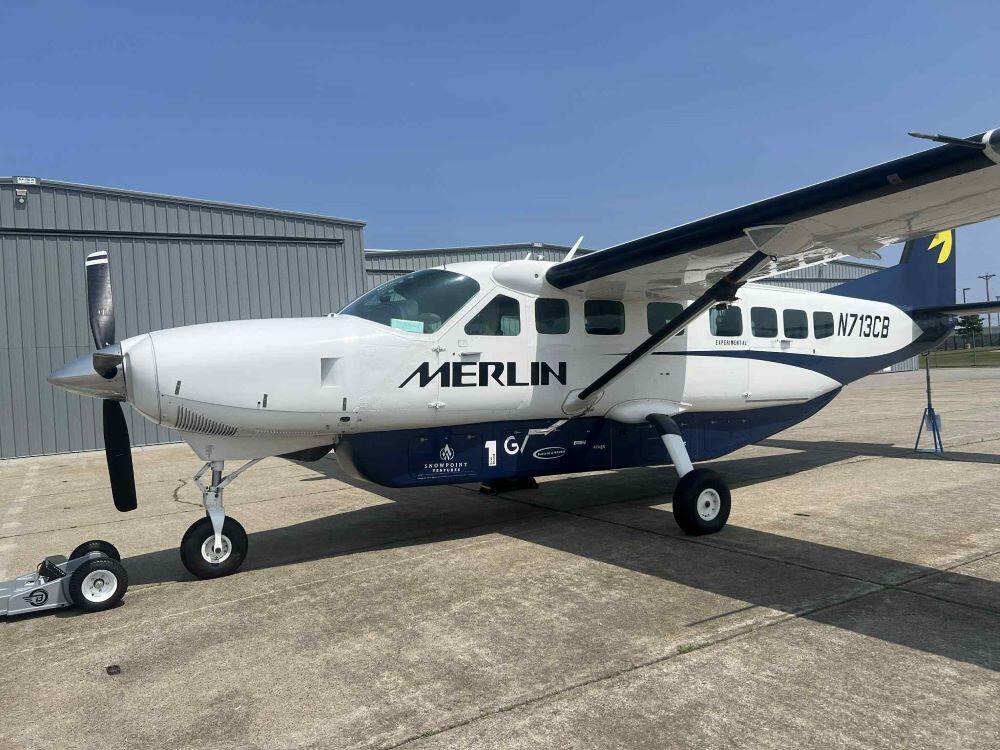
Merlin Labs recently showcased its AI-driven flight technology through a series of demonstrations using a Cessna Caravan. The system performed navigation, communication, and landing sequences while human pilots remained hands-off. This development represents a shift toward more advanced automation capable of managing complex cockpit tasks.
Industry interest in these tools has increased as operators face persistent pilot shortages. Boeing projects a need for over 600,000 new pilots globally in the next two decades. Proponents suggest that integrating AI could help mitigate the 80 percent of aviation accidents attributed to human error. Research from Stanford University indicates that newer AI systems differ from traditional automation by being designed to handle a broader array of unexpected scenarios.
The push for AI integration involves a regulatory balancing act. While the U.S. government views AI as a method to modernize air traffic control and assist pilots, labor groups like the Air Line Pilots Association maintain that technology should support, not replace, human flight crews. Merlin Labs, which recently secured a significant U.S. Air Force contract for C-130 cargo planes, continues to work toward FAA certification through extensive testing and redundancy analysis.